Weber Barbecue Review 2026: Worth It for First-Timers?
Our Weber barbecue review covers the kettle, gas and pellet ranges: build quality, cooking control, running costs and who each one really suits.
Weber barbecues at a glance
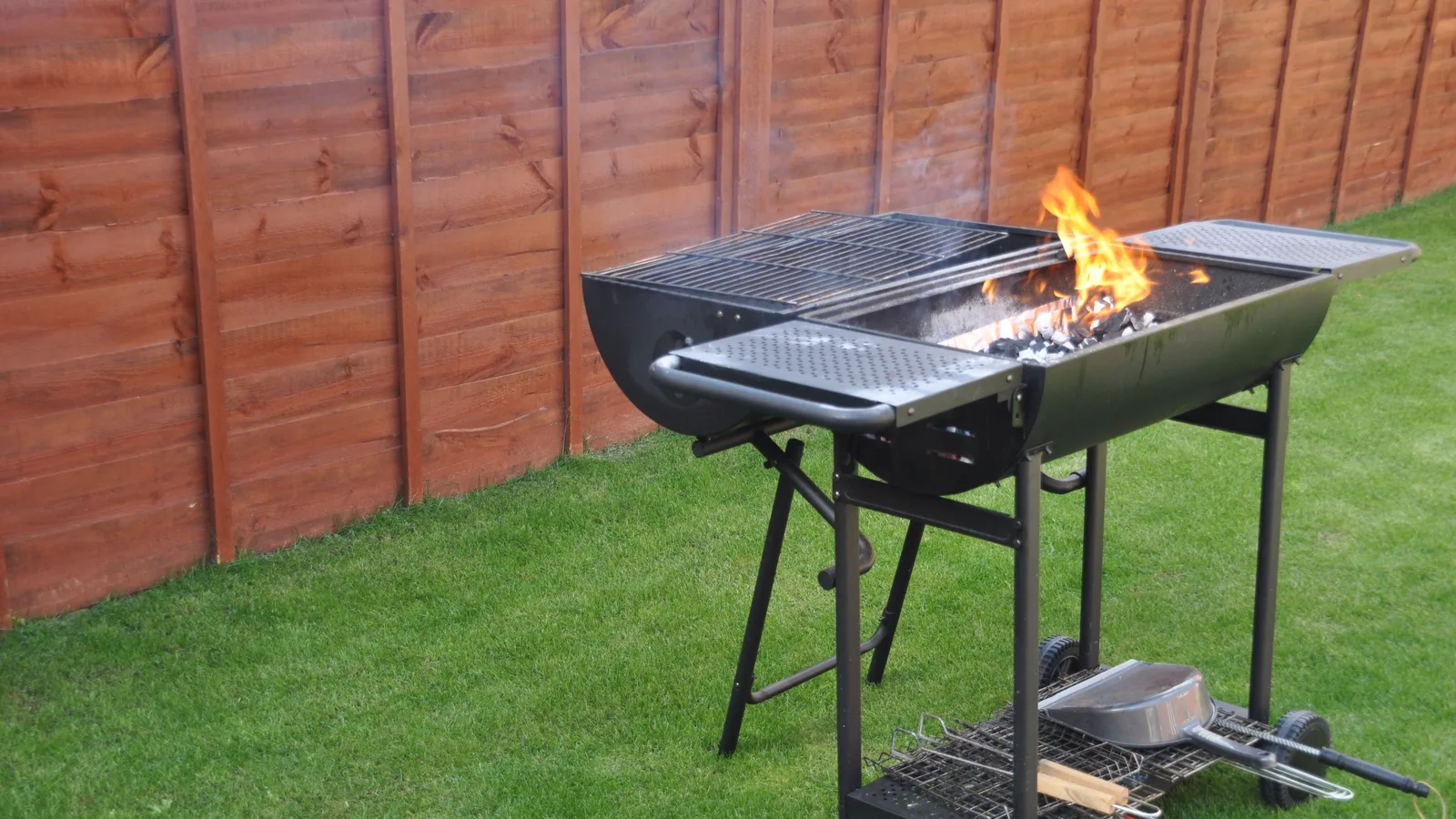
Weber is the American brand that made the covered kettle the default shape of a charcoal barbecue, and it still stakes its reputation on that one design. In the UK the range splits into four: charcoal kettles (from the plain Original Kettle up to the Master-Touch and Performer, with their work tables and hinged grates), gas grills (Spirit, Genesis and the larger Summit), pellet smokers (SmokeFire), and portables such as the Go-Anywhere and the Q series.
That breadth is the point. A Weber is rarely the cheapest thing on the garden centre floor, but it is usually the one you can still buy parts for years later. This review looks at the range as a whole rather than a single model, so use it to work out which type of Weber fits how you actually cook.
What Weber gets right — and what it doesn't
Strengths
- The kettle design is proven: one shape, decades of cooks, and a huge library of recipes and third-party accessories built around it
- Spares and accessories are the best supported in the business — grates, ash catchers, covers and rotisserie kits are easy to find in the UK
- Gas models light reliably and hold a set temperature, which makes them far easier for weeknight cooking than charcoal
- Porcelain-enamelled lid and bowl resist rust much better than the painted steel on budget grills
- Strong hand-me-down value; a tired kettle still gets used by someone
Weaknesses
- You pay a clear premium for the badge over own-brand kettles that cook a burger perfectly well
- Gas models empty cylinders faster than new owners expect, and refills are the real running cost
- Useful extras — cover, lid thermometer, griddle insert — are optional on entry models
- Pellet grills tie you to a specific fuel and need mains power at the cooking spot
- Assembly is an evening's work on the larger gas models
How the range scores on the things that matter
Weber's marks cluster around build, heat control and the depth of the spares catalogue. Points come off for price and for fuel costs, which is where a cheap kettle starts to look tempting.
- Build quality and finish
- 4.5/5
Enamelled steel that survives winters, with the usual wear on grates and ash catchers rather than the shell.
- Heat and temperature control
- 4.5/5
Vents on charcoal, knobs on gas, a controller on pellet — all predictable once you've cooked on them a couple of times.
- Spares and accessories
- 5.0/5
The strongest reason to buy: replacement parts and add-ons are widely stocked in the UK.
- Cleaning and maintenance
- 4.0/5
Ash catcher on kettles and a drip tray on gas models make it manageable, but it is still a job after every cook.
- Running costs
- 3.5/5
Charcoal is cheap per cook but bought constantly; gas cylinders and branded pellets are the expensive options.
- Value for money
- 3.5/5
Fair rather than generous. You are buying longevity, not features per pound.
Charcoal kettles: still the reason to buy
The kettle is why people pay for the badge. A bowl, a lid, a grate and a vent top and bottom: that's it. Learn to cook on one and you can roast a chicken indirectly with the coals pushed to the sides, sear steaks directly over the middle, and shut the vents afterwards to smother what's left and save it for next time.
The differences between tiers are practical rather than performance ones. The cheapest kettle gets a plated steel grate and a simple ash sweeper; spending more adds a hinged grate (so you can add coals mid-cook without lifting the whole thing off), a lid thermometer, a wire ash basket, and on the Performer a work table and gas ignition. None of that makes the food taste better, but it makes the cooking less fiddly.
Gas models: easy cooking, expensive fuel
Gas is the range's convenience play: turn a knob, press the igniter, and you are cooking in minutes on a grill that holds a temperature far more predictably than charcoal. The Spirit is the entry point, Genesis adds burners and work space, and Summit covers the large-format and built-in end of the market.
The trade-off is running cost. Patio gas cylinders are the expensive part of ownership and they empty faster than new owners expect, particularly on cold or breezy evenings when you push the burners higher to compensate. Flavouriser bars above the burners do a decent job of catching drips and pushing some smoke back at the food, but you won't mistake it for charcoal.
Build is good across the gas range: enamelled cast-iron grates on most models, a proper cart rather than a folding frame, and a warming rack that is actually usable. Check the burner count rather than the headline cooking area, and measure the patio with the side shelves folded out — a Genesis needs noticeably more room than its footprint suggests.
Pellet smokers and portables
SmokeFire is Weber's pellet grill: an electrically driven auger feeds wood pellets into a fire pot, a controller holds the temperature, and you get set-and-forget smoking with a temperature probe. It is the closest thing in the range to an oven that tastes of wood, and it is the right buy if you want brisket or pulled pork without babysitting coals. The catches are real: pellets are the priciest fuel per cook, the grill needs mains power, and you are tied to the pellet sizes and blends the auger will feed reliably.
Portables sit at the other end. The Go-Anywhere is a briefcase-shaped charcoal grill for the beach or the boot; the Q series runs on cartridges or a small cylinder and suits balconies, campervans and small terraces. Both are genuinely portable rather than merely luggable, which is more than most rivals manage.
Charcoal, gas or pellet: which one fits your garden
| What to weigh up | Charcoal kettle | Gas grill | Pellet grill |
|---|---|---|---|
| Best for | Low-and-slow smoking and proper charred flavour | Weeknight speed and repeatable heat | Set-and-forget smoking with a probe |
| Fuel | Briquettes or lumpwood, sold everywhere | Patio gas cylinder, bought separately | Wood pellets, matched to the auger |
| Getting it lit | Chimney starter, then wait for the coals to grey over | Press the igniter and pre-heat with the lid down | Switch on and set a temperature |
| Heat control | Vents and coal placement, learned by feel | Knobs and burners, easy to repeat | Digital controller holds the set point |
| Cleaning | Tip out the ash catcher, brush the grate | Empty the drip tray, scrape the bars | Empty the ash pot and the hopper |
| Running cost | Cheapest fuel, but bought often | Cylinder refills are the big ongoing cost | Priciest fuel, and you're tied to it |
| Footprint | Round kettle on wheels; needs dedicated patio space | Bulky once the side shelves are out | Tall, heavy, best left in one spot |
Build quality, spares and winter care
The enamel finish is why old kettles still look presentable after years on a patio. Wipe it out, keep it covered through the winter and the bowl won't rust through the way painted steel does. The weak points are the ones you'd expect: grates eventually burn out, ash catchers crack, and wire charcoal baskets sag. All of those are replaceable, which is the entire argument for buying into the brand rather than a lookalike.
The parts that fail first are also the parts that live outdoors uncovered, so a cover is money well spent — and it is not included on most models.
- Lid and bowl
- Porcelain-enamelled steel on kettles and most gas lids
- Cooking grates
- Plated steel on cheaper kettles, cast iron or stainless steel higher up the range
- Ash handling
- One-touch sweeping system into a removable catcher on kettles
- Ignition
- Push-button igniter on gas; a chimney starter is needed for charcoal
- Pellet models
- Wood pellets only, with mains power at the grill
- Assembly
- Flat-pack; larger gas models take an evening
Before you order: five practical checks
-
01 /
Decide charcoal, gas or pellet first
Work backwards from the cook you do most. Sausages and chicken breasts after work point to gas; weekend low-and-slow and the ritual of lighting coals point to a kettle; long smoking sessions point to a pellet grill.
-
02 /
Match the size to the number you feed
A 47cm kettle is fine for two to four people; step up to 57cm if you are cooking for six or want room to set up two heat zones. On gas, count burners rather than trusting the headline cooking area.
-
03 /
Budget for the extras that aren't in the box
A cover, a chimney starter for charcoal, a decent brush and a gas cylinder are all extra on most models. Add them before you compare prices, or the Weber looks cheaper than it is.
-
04 /
Read the spec list for the exact model
Thermometer, hinged grate, side table and ash basket vary between tiers with very similar names. Check the model page line by line rather than assuming the next one up includes everything.
-
05 /
Register the grill and keep the receipt
Warranty cover differs by model and by component, so check the terms for the model you actually buy rather than assuming they are the same across the range.
Weber barbecues: common questions
Does a Weber barbecue come with a cover?
Not as standard on most models. Covers are sold separately and are worth buying if the grill stays outside, because UK winters are hard on grates, burners and ash catchers.
Can I use a Weber kettle on a balcony?
Outdoors only, and check your tenancy first. Charcoal gives off carbon monoxide, so never under a roof, in a garage or in a tent. Many flats ban charcoal on balconies but allow gas, so read the lease before ordering.
Briquettes or lumpwood charcoal?
Briquettes burn longer and more steadily, which suits indirect cooking and long sessions. Lumpwood lights faster and gives a sharper flavour but comes in unpredictable sizes. Most kettle owners keep both in the shed.
Why does my gas barbecue empty its cylinder so quickly?
Long pre-heats with the lid open, cooking with the lid up, cold evenings and a breezy spot all force you to run the burners higher. Pre-heat with the lid down, cook with it down, and keep a spare cylinder.
Is a pellet grill practical in the UK?
It works well if you want genuine low-and-slow smoking without tending coals, but budget for pellets and for a covered spot with mains power. For quick weekday grilling, gas or charcoal is simpler and cheaper to run.