Best BBQ 2026: 5 Picks for Every Garden and Budget
Our pick of the best BBQs for 2026, from a classic charcoal kettle to gas, kamado, portable and electric options — and who each one suits.
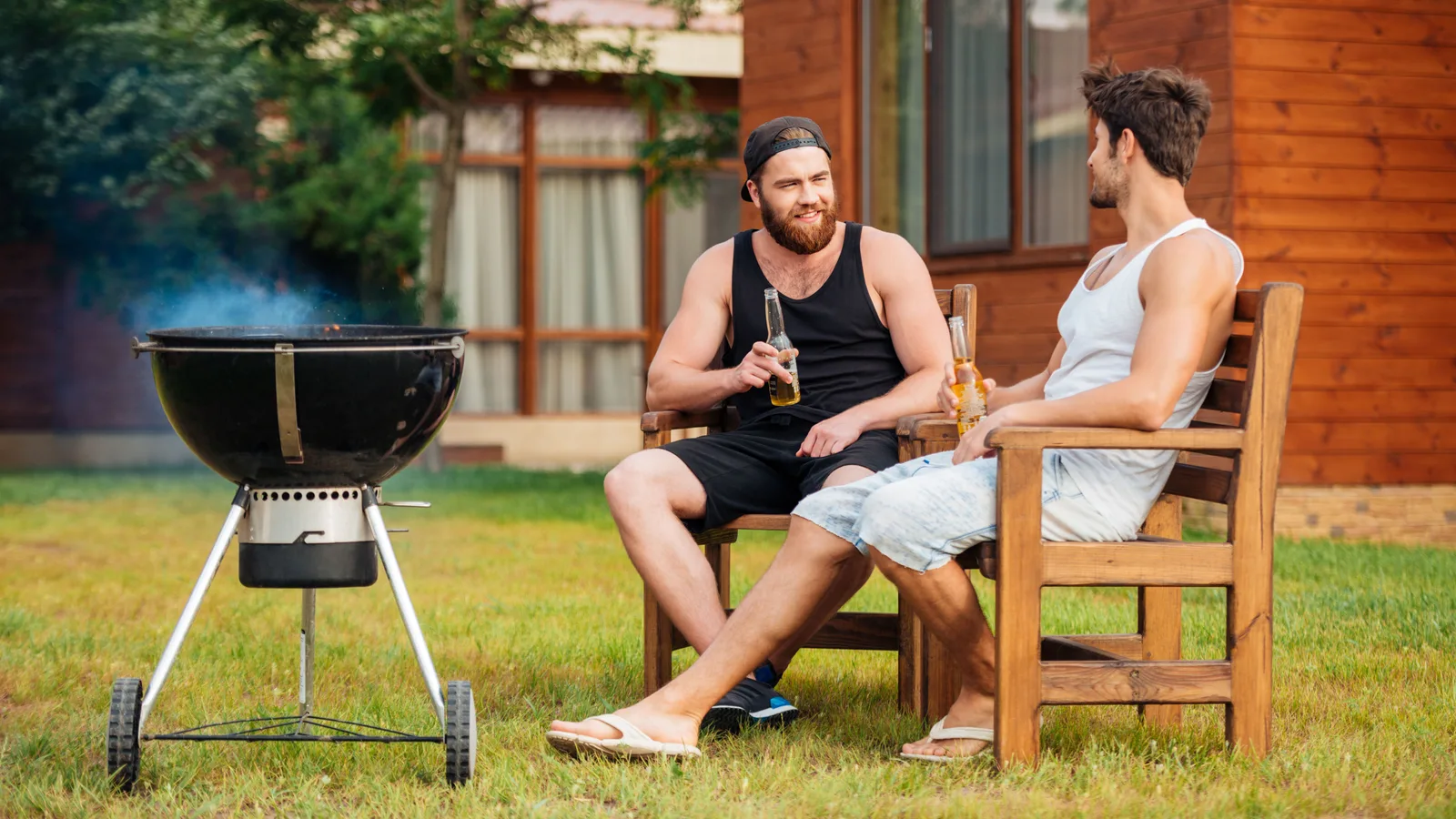
Best BBQs 2026: the quick answer
Buying a barbecue in the UK usually comes down to three things: how much outdoor space you have, how often you'll actually light it, and whether you want to cook over coals or turn a dial. Get those right and everything else — gadgets, side burners, Bluetooth — is decoration.
The five picks below cover the realistic options: a classic charcoal kettle that will smoke, roast and sear; a three-burner gas model for midweek burgers; a ceramic kamado for long cooks; a portable charcoal box for camping and balconies; and a plug-in electric grill for gardens where a flame isn't practical.
The quick answer
- Best overall: Weber Master-Touch GBS E-5750 — the most versatile barbecue most gardens can take
- Best gas barbecue: Weber Spirit II E-310 — instant heat, three burners, folds down neatly
- Best for low and slow: Kamado Joe Classic Joe II — ceramic heat retention for proper smoking
- Best portable: Everdure by Heston Blumenthal Cube — goes in the boot, looks good on a patio
- Best electric: Ninja Woodfire Outdoor Grill OG701 — smoke flavour with no flame and no bottle
The five best BBQs in detail
Best overall
Weber Master-Touch GBS E-5750
4.7/5
The kettle is still the shape most British gardens are built around, and the Master-Touch is the version to buy if you want one barbecue to do everything. The 57cm porcelain-enamelled bowl takes a full grate of burgers or a large joint with the lid down, and the hinged Gourmet BBQ System grate has a removable centre section so you can drop in a wok, a pizza stone or a sear grate. A lid thermometer, the Tuck-Away lid holder and the One-Touch cleaning system with ash catcher are the details that make longer cooks far less annoying. It is charcoal, so you'll be managing vents and waiting for the coals to ash over before you cook.
Why we rate it
- Real charcoal flavour plus the flexibility of the GBS insert grate
- Lid thermometer and lid holder make smoking and roasting practical
- Ash catcher and One-Touch system keep the patio tidy
- Enormous UK parts and accessory support, so it lasts
What to weigh up
- Charcoal means lighting time and hands-on vent control
- More of a ritual than gas when you only want a quick tea
- Needs a breathable cover if it lives outside year-round
Best gas barbecue
Weber Spirit II E-310
4.5/5
Gas is what most people actually want on a Tuesday night, and the Spirit II E-310 is a sensible place to start: three burners, a porcelain-enamelled lid and fold-down side tables that let it sit tight against a wall or shed. Weber's GS4 setup — burners, ignition, Flavorizer bars and a grease tray — is designed to be lived with rather than fussed over, and the open cart does away with rusting cupboards. You get heat in minutes and proper two-zone control by running one burner under the food and one behind it, at the cost of charcoal flavour and a gas bottle to store and refill.
Why we rate it
- Instant heat and genuinely controllable burners
- Three burners allow two-zone cooking for roasts and thicker cuts
- Fold-down side tables suit small patios and tight storage
- Strong UK dealer network for parts and servicing
What to weigh up
- No charcoal flavour, however you set it up
- You need somewhere safe to store the gas bottle
- Less of an event than lighting coals
Best for low and slow
Kamado Joe Classic Joe II
4.6/5
A kamado is the closest thing to a wood-fired oven you can put in a garden. The Classic Joe II's thick ceramic walls hold heat for hours, so a pork shoulder or a brisket can tick along with only small vent adjustments, and the same body will sear steaks hard or bake flatbreads with the lid down. The Divide & Conquer system lets you run two levels or two heat zones at once, and the air-lift hinge makes a heavy lid easy to open one-handed. It is the most versatile cooker here — and also the heaviest, so decide where it lives before it arrives.
Why we rate it
- Holds temperature for hours once the vents are dialled in
- Sears, smokes, roasts and bakes in one unit
- Divide & Conquer gives multi-level and multi-zone cooking
- Air-lift hinge makes the ceramic lid manageable
What to weigh up
- Very heavy — it needs a firm, level base and two people to move
- Ceramic can crack if it's knocked or left full of wet ash
- Slow to come up to temperature for a quick burger
Best portable
Everdure by Heston Blumenthal Cube
4.2/5
The Cube is the barbecue for people without a garden. It's a compact porcelain-enamelled charcoal box with a carry handle, an integrated storage tray for coals and tools, and a bamboo board that doubles as prep space and a lid rest. It fits in a car boot for camping or the beach, lights quickly and uses so little charcoal that a bag lasts a while. It is small, though: realistically a couple or a small family, and you'll be cooking in batches if friends turn up. As something to leave on a balcony or take out for the day, it's hard to beat.
Why we rate it
- Genuinely portable, with a handle and storage built in
- Porcelain enamel wipes clean and shrugs off knocks
- Bamboo board earns its place as prep and serving space
- Small coal load means fast, cheap, short cooks
What to weigh up
- Small grate — not one for a party
- Charcoal only, with no gas or electric option
- Lid-down cooking space is limited, so big joints are out
Best electric barbecue
Ninja Woodfire Outdoor Grill OG701
4.0/5
The Woodfire is the odd one out here and better for it. It runs off a plug, uses a small smoke box of wood pellets to add a smoky note to whatever you're cooking, and doubles as an outdoor air fryer and roaster — which means crackling, roast chicken and proper chips alongside the burgers. There's no open flame, so it's a realistic option for a balcony or a small paved yard where a kettle or gas barbecue would be awkward, provided your building allows it and you can reach a socket safely. It isn't cooking over coals, and the grate area is smaller than a full-size barbecue.
Why we rate it
- Plug-in simplicity — no gas bottle, no charcoal, no ash
- Wood pellets give a smoky edge without an open fire
- Air fry and roast settings genuinely earn their counter space
- Cooler and cleaner to use on a small patio
What to weigh up
- Needs a nearby outdoor socket and a safe setup
- Smaller cooking area than a full-size barbecue
- It still produces smoke — be considerate of neighbours
How the five compare
| Barbecue | Fuel | Best for | Watch out for |
|---|---|---|---|
| Weber Master-Touch GBS E-5750 | Charcoal | All-round family cooking | Lighting time and vent management |
| Weber Spirit II E-310 | Gas | Quick everyday grilling | Gas bottle storage and refills |
| Kamado Joe Classic Joe II | Charcoal kamado | Long, slow cooks and hard searing | Serious weight and a firm, level base |
| Everdure by Heston Blumenthal Cube | Charcoal | Picnics, camping, balconies | Small cooking area |
| Ninja Woodfire Outdoor Grill OG701 | Electric with wood pellets | Small gardens and flame-free cooking | Needs a socket; not real coals |
Read the table as a decision, not a ranking. If you cook outdoors more than once a week from April to September, gas or the kettle will earn their keep. If your ambitions run to brisket and you have a permanent spot for something heavy, the kamado is the one that will still be going in fifteen years. If your outdoor space is a balcony or a shared yard, the Cube and the Woodfire are the only two here that make sense.
Charcoal, gas, kamado or electric?
- Charcoal kettle: the best flavour for the money and the most flexible fuel, but you'll light it, wait for the coals to ash over and manage the vents. Ideal if the cooking is the point.
- Gas: heat in minutes, precise control, easy to turn off and walk away. Costs more to run than charcoal and needs a bottle, but it is the option that gets used on a weeknight.
- Kamado: ceramic charcoal cooking with unmatched heat retention. The best of both worlds for smoking and searing, at the cost of weight, warm-up time and a bigger outlay.
- Electric: no flame, no fuel to store, and often a second life as an outdoor air fryer. The trade-off is a socket, a smaller grate and a different kind of smoke flavour.
Think about the meals you actually cook. Sausages, burgers and chicken thighs two or three times a week point to gas. Sunday roasts, ribs and brisket point to charcoal or a kamado. A balcony and a two-person household point to the Cube or the Woodfire.
What to look for when you buy
These are scored by how much they should sway your decision, not by how impressive they look in a showroom.
- Heat control
- 5.0/5
Vents or burners you can fine-tune are the difference between a burnt crust and a proper cook. This matters most on long cooks.
- Build and spare parts
- 4.5/5
Porcelain enamel, decent hinges and a UK supply of grates, burners and covers decide whether it lasts five years or fifteen.
- Cooking area
- 4.0/5
Match the grate to your household. A large kettle is wasted on two people; a portable is frustrating for six.
- Versatility
- 4.0/5
Lid-down roasting, indirect zones and the ability to take a pizza stone or wok widen what you can cook.
- Cleaning and ash
- 3.5/5
An ash catcher or a slide-out tray is not glamorous, but it's the difference between using it and avoiding it.
- Storage footprint
- 3.0/5
Fold-down tables, a cover that fits and a shape that tucks against a wall matter in a small British garden.
Two more practical checks. First, make sure a cover is available for the exact model — a generic cover that pools water is worse than none. Second, check the weight and the route to the patio before ordering anything ceramic or large; narrow side returns and steps catch people out every summer.
Space, storage and the British weather
Most barbecues die of damp rather than use. Leave a kettle or gas model out uncovered through a wet winter and you'll find rust on the cart, mould on the grates and a burner that won't light come May. Clean the grates while they're still warm, empty the ash once it's cold, and cover the unit once it has fully cooled — a breathable cover is better than a plastic sheet that traps condensation.
Position matters too. Keep the barbecue away from fences, sheds, hanging branches and washing lines, and don't wheel a gas model under a gazebo or awning to finish a cook in the rain. Give it a flat, firm surface: paving rather than grass, especially for anything heavy.
The verdict
Frequently asked questions
Do I need a cover for my barbecue?
In the UK, yes. Rain and damp are what kill barbecues — rust on the cart, seized burners and mouldy grates. Let the unit cool completely, clean the grates and empty the ash before covering, and choose a breathable cover that fits the model rather than a plastic sheet that traps condensation.
What's the difference between direct and indirect cooking?
Direct cooking means the food sits straight over the heat — right for burgers, sausages and thin cuts that need colour fast. Indirect means the heat is to one side and the lid is down, so the food cooks by circulating hot air, which is how you roast a joint or finish thick chicken without burning the outside.
Can I use a barbecue on a balcony?
Often not. Many leases and freeholders ban open-flame or charcoal barbecues outright, and smoke nuisance rules can apply in flats. A plug-in electric grill is the safest bet where rules allow it, but check your tenancy or lease and be mindful of neighbours before you buy.
How do I stop food sticking to the grates?
Get the grate hot and clean before the food goes on, oil the food rather than the bars, and don't move things around for the first couple of minutes. Sugar-heavy marinades and glazes should go on towards the end of cooking, because they burn long before the meat is done.
How long does a charcoal barbecue last?
Longer than most people expect, if it's covered and cleaned — porcelain-enamelled kettles regularly run for a decade or more, and Weber keeps spares. The parts that fail first are usually the grate, the ash tray and the cover, all of which are replaceable on the better-known models.